When you go through the legal process of divorce, you might find yourself questioning whether divorce records are public. The straightforward answer is yes—most divorce records are indeed part of the public domain.
However, it’s important to recognize that there are nuances involved. Understanding the various types of divorce documents can help you navigate this sensitive area more effectively.
What Divorce Documents Are Part of the Public Record?

Various documents generated during the divorce process become part of the public record. While obtaining these documents is generally straightforward, knowing which ones you need and how to access them is crucial.
Here’s a breakdown of the main types of divorce documents:
1. Divorce Certificate
A divorce certificate is a vital document that serves as proof of the divorce. It includes:
- The names of the individuals involved
- The location where the divorce was finalized
- The date and time when the divorce was made official
Typically, only those directly involved in the divorce can request this document, though there may be exceptions.
2. Divorce Decree
The divorce decree is an official court document that outlines the terms of the divorce. Depending on the situation, these terms might be decided by the court or mutually agreed upon by the parties involved. The decree typically covers:
- Alimony (spousal support) payments
- Parental rights and responsibilities
- Child support arrangements
- Distribution of property and debts
- Visitation schedules
Like the divorce certificate, only the individuals involved in the divorce generally have access to this document.
3. Divorce Record
A divorce record is a comprehensive file that includes the divorce certificate, divorce decree, and all other documents and evidence presented during the divorce proceedings.
How to Obtain a Copy of Your Divorce Documents
Obtaining divorce documents is often simpler and less expensive than many assume. Here’s how you can access these records:
1. Getting a Divorce Certificate
To obtain a divorce certificate, contact your local Vital Statistics Office. Many states allow online applications, and the fees generally range from $10 to $30. This certificate is often needed for legal name changes or to prove your marital status in various situations.
2. Obtaining a Divorce Decree or Record
For a divorce decree or the full divorce record, you’ll need to contact the court where your divorce was finalized. Each state has its own procedures, but you’ll typically need the following information:
- The case number or citation number
- The name of the court where the divorce took place
Many courts offer online case search tools, but you can also request these documents by mail or in person. If you’re unsure where to start, the Public Access to Court Electronic Records (PACER) website is a helpful resource that provides access to a national index of court cases.
Which Divorce Documents Are Not Public?
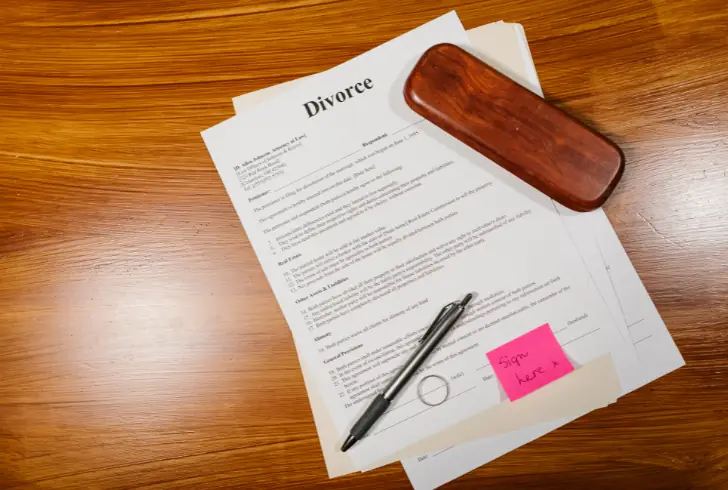
While most divorce documents are public, there are exceptions. Courts may decide to seal certain documents if they contain sensitive information that could cause harm if disclosed. For instance, cases involving proprietary business information, child custody issues, or domestic violence might be sealed. In such instances, you would need a court order to access these sealed documents.
Requesting to Seal or Redact Documents
If you believe your divorce records should be sealed, you’ll need to file a request with the court. However, it’s essential to understand that courts are generally reluctant to seal records for minor reasons like personal embarrassment. You’ll need to present a compelling reason why sealing the records is necessary.
Alternatively, if sealing the entire case isn’t possible, you can request the court to redact specific information from the records. This approach might have a better chance of success, particularly if the sensitive information is limited to certain parts of the documents.
Understanding Your Rights and Options
The question of whether divorce records are public is crucial for anyone going through a divorce or seeking to understand the implications of these records being accessible. While many divorce-related documents are part of the public record, there are steps you can take to protect your privacy.
By understanding the types of documents involved and the process for accessing or sealing them, you can better navigate the complexities of divorce and safeguard your personal information.