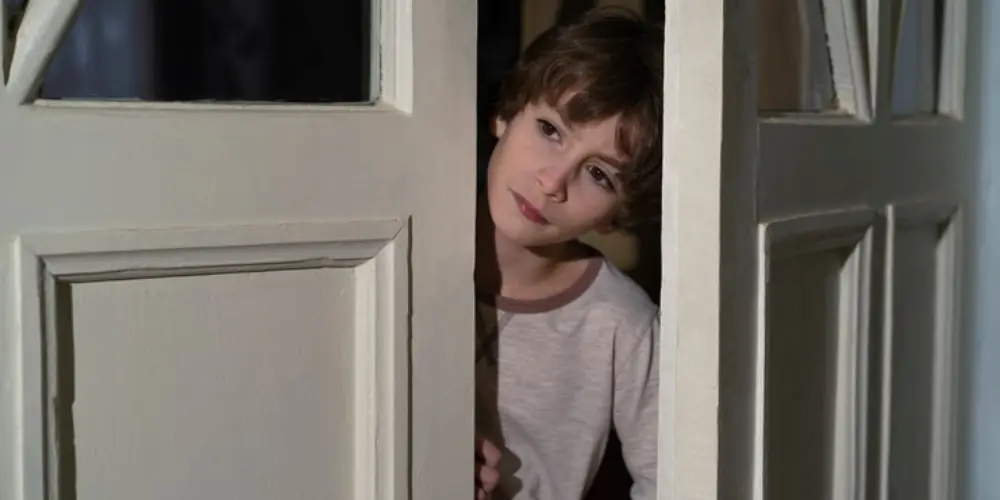
Imagine this: you’re a parent juggling the constant demands of daily life. One afternoon, you need to grab some groceries but have no childcare readily available. Faced with this dilemma, you make a decision that weighs heavily on your mind: leaving your children home alone for a short errand. This scenario, while seemingly commonplace, recently sparked a legal debate with far-reaching implications.
A recent Iowa Supreme Court case raised the crucial question: when does supervision become endangerment? The case centered around Paula Cole, a mother in Waterloo, Iowa, who faced child endangerment charges for leaving her five children, aged 5 to 12, home alone while she went grocery shopping.

While the children were unharmed, the incident ignited a firestorm of debate, prompting the court to weigh the boundaries of parental responsibility against the realities of everyday life.
The Court’s Reasoning: Balancing Risks and Responsibilities
In a unanimous decision, the Iowa Supreme Court overturned Cole’s conviction, highlighting the need to distinguish between ordinary risks inherent in daily life and intentional or reckless behavior that creates substantial danger to children.
The court acknowledged the ever-present reality of risk, stating, “None of us can escape all risks. And no parent can shield a child from all risks.” This sentiment aligns with the opinion of legal scholar David Pimentel, who argues that overprotective parenting can inadvertently create new risks by limiting healthy exploration and development.
The court further emphasized that culpability under endangerment laws hinges on the creation of an identifiable risk that falls outside the expected spectrum of daily challenges. They clarified that “a parent does not create a risk if that risk is part of the background risk of ordinary life.” This distinction serves as a crucial benchmark for evaluating parental decisions in similar situations.
Contextualizing the Situation: Exploring the Nuances
It’s important to note that the court’s decision doesn’t endorse leaving young children unattended in all circumstances. Each situation requires careful consideration of several factors, including:
- The age and maturity level of the children: Older, more responsible children may be better equipped to handle brief periods alone compared to younger ones.
- The duration of the absence: Leaving children unattended for an extended period carries inherently greater risk compared to a quick errand.
- The safety and security of the home environment: A secure and well-equipped home environment mitigates some potential dangers.
- The availability of alternative arrangements: Exploring responsible childcare options, even if they require additional effort, can offer peace of mind.

Ultimately, the court’s decision underscores the importance of parental judgment and responsible decision-making. While it acknowledges the inherent challenges of navigating parenthood, it emphasizes the crucial role parents play in ensuring their children’s safety and well-being within the reasonable boundaries of everyday life.
Beyond the Headlines: A Broader Conversation
The Iowa Supreme Court case serves as a springboard for a broader conversation about the complexities of raising children in today’s world. It compels us to consider the diverse perspectives on child safety, parental autonomy, and the ever-evolving societal landscape.
As we navigate these gray areas, it’s imperative to foster open dialogue, respect diverse viewpoints, and prioritize the well-being of children while acknowledging the challenges and responsibilities parents face daily.