
Understanding of the law is a difficult thing to achieve because of its complexity. Family law is even more complex because of the higher degree of emotions and stakes involved.
There are several rules and regulations governing family law pertaining to different situations, and a basic understanding of family law is important if you want to resolve family issues through legal channels.
The Definition of Family Law
By definition, the acts, rules, and regulations enacted by the state to enable courts to provide justice in lawsuits where both parties are related to each other by blood relation or marriage are collectively called family laws. These laws may also extend to relationships outside of marriage, although only if a certain set of criteria is met.
Cases falling under the jurisdiction of family laws typically have a high involvement of emotions because both parties are closely related to each other. For example, a case of divorce will involve a lot of arguments based on emotions rather than only a breach of contract. It is difficult to see the whole picture impartially by excluding emotions from these cases.
Therefore, the help of a legal representative is often required in such situations to minimize the impact of emotions and to disallow them from derailing both the parties from the essence of the case.

The Nature Of Family Law
Family law cases can be categorized according to either the nature of the relationship of both parties involved or the nature of the case.
The most common types of cases which fall under family law deal with custody of a child, determining the biological father and also obligating him to provide child care, seeking restraining orders because of criminal or civil domestic violence in a married or romantic relationship, formal adoption orders, divorce cases, guardianship, and inheritance.
What Stays The Same In Most Family Law Cases
A majority of family law cases initiate when a marriage dissolves or a romantic relationship ends. This means that all the assets the couple had accumulated under joint ownership during the course of their relationship now need to be divided in an equitable manner, which is easier said than done.
Of course, distribution is not possible where the subject matter is one whole and cannot be distributed in parts, for example, a house, child, and car. Also, disagreements can also arise between both parties regarding the entitlement share of an asset or liability such as a mortgage, bank balance, and cash.
When both parties fail to reach an agreement on the entitlement through discourse and involvement of relatives or family friends, their last resort is the court of law. This is where a judge is expected to use family laws to determine the conflict and issue orders for resolution of the matter.
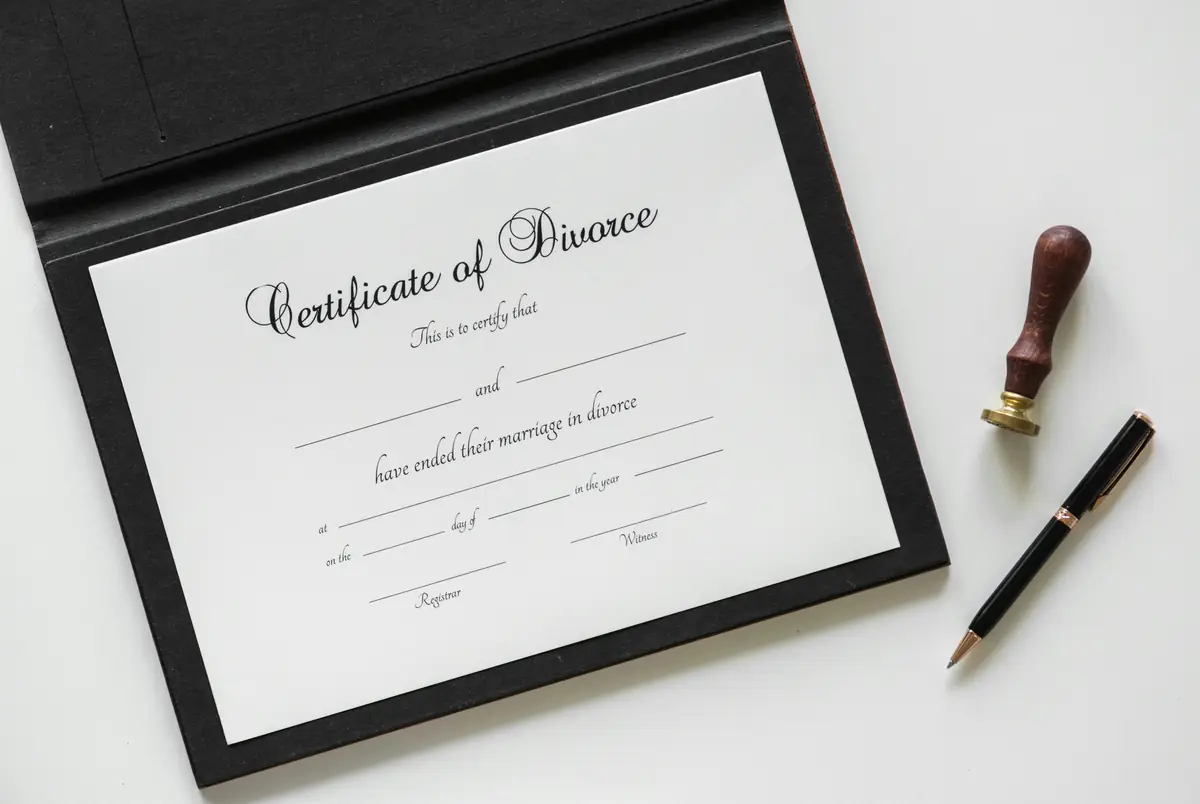
The timing of the case also determines the nature of the lawsuit. People can go to court immediately after a divorce or several years later. To determine whether your case meets the minimum requirements to be presented in court, you will have to seek the help of a lawyer.
Rights Defined Under Family Law
There are a lot of factors that need to be considered to correctly determine which specific enactment of the law deals with a given case. Common factors are geographical situation of the event, the state in which the family belongs, and the facts of the state.
Some rights are common to all scenarios such as entitlement for child care money from the counterparty, contesting your allocation of shared assets, and the right to contest for custody of children or seeking visitation rights.
Typical Course Of Proceedings Of Family Law Case
Because of the innumerable combinations of factors and facts of family law cases, every case is unique in its nature and hence needs to be handled differently. Different lawyers can approach the same case in different ways.
A common course of action is to first seek resolution through mediation which is very common in divorce and child custody related cases.

Most of the time when a couple breaks up, they immediately seek legal help because their communication after the decision to break up can be detrimental to the final result of the dissolution.
If mediation works for both parties, the only process left is paperwork. If mediation fails, the case must be heard in court in front of a judge where your lawyer must be competent and experienced enough to lead the trial.